Peeling off a sock shouldn't leave a ring you can still see an hour later. Shoes that fit at breakfast shouldn't feel two sizes too small by three in the afternoon.
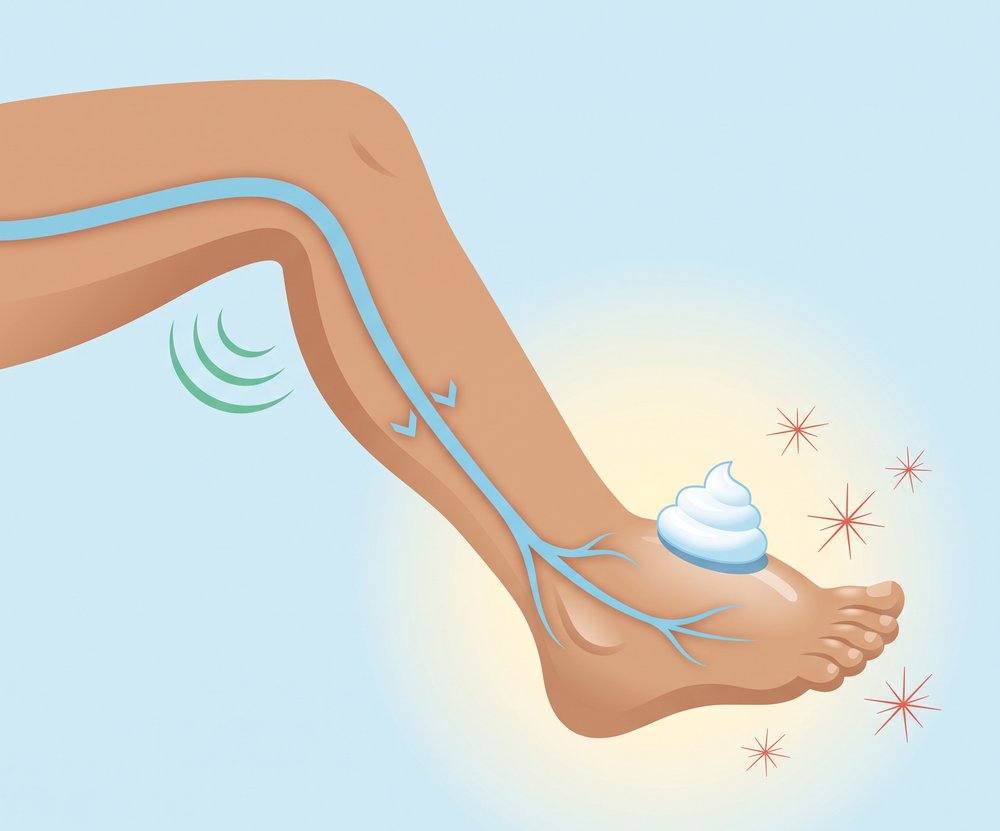
Here's what almost nobody explains. Every drop of blood in your legs has to travel uphill, against gravity, to get back to your heart. Your heart pushes it down. Nothing pushes it back up on its own.
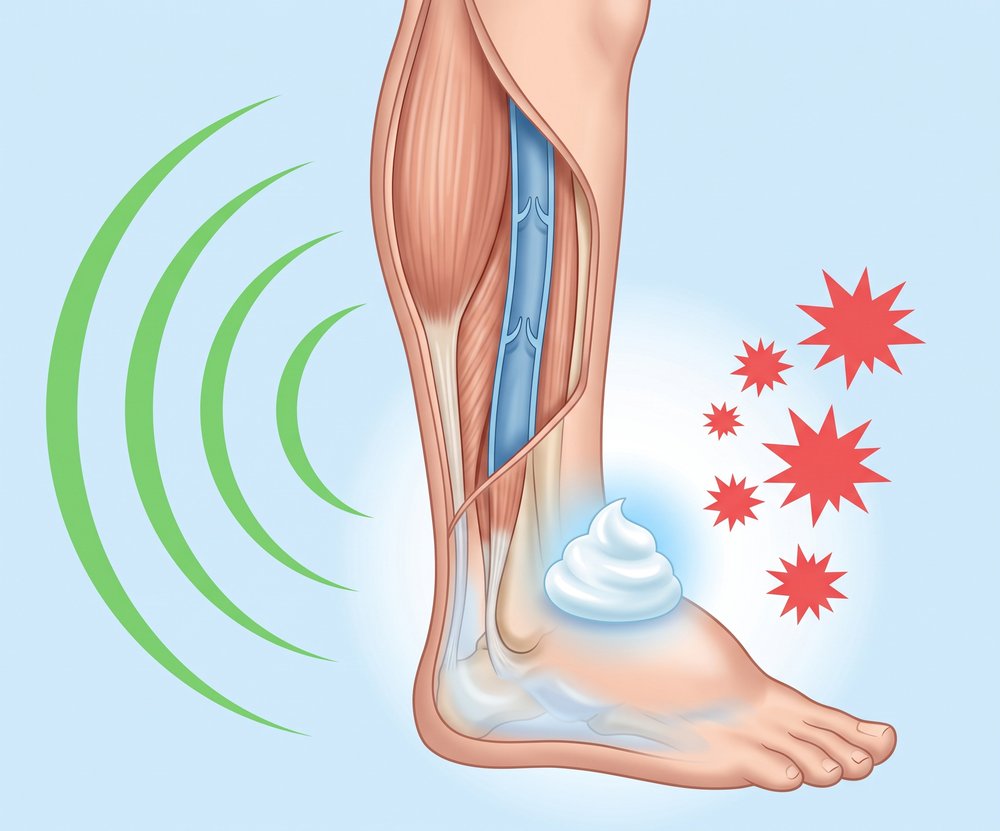
What pushes it up is your calf muscle. Every step you take squeezes the deep veins and drives blood upward through a series of one-way valves. Doctors call it the calf muscle pump, and it's the reason your legs don't fill up every time you stand still.
That pump runs on muscle contraction. And muscle can't contract, or let go afterward, without magnesium. Magnesium is the spark plug that makes it fire.
When the pump runs short, blood stops moving and starts pooling in your lower legs. Pressure builds inside the tiny capillaries. And when that pressure gets high enough, fluid is squeezed out of the vessels and into the surrounding tissue.
That fluid is the swelling. That's the tightness across the top of your foot. The heaviness by mid-afternoon. The dent that stays behind when you press your thumb into your ankle.
But here's the good news...
Most people reach for a water pill, or a compression sleeve, or just decide this is what getting older feels like. None of them touch the actual problem: a pump that doesn't have what it needs to push.
And here's the catch: as we get older, our bodies absorb less magnesium, and most of the magnesium in a pill is lost in digestion long before any of it reaches your calves.
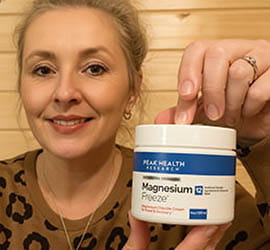
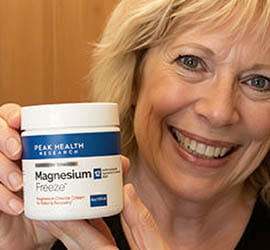
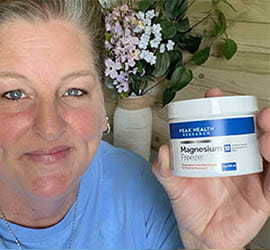
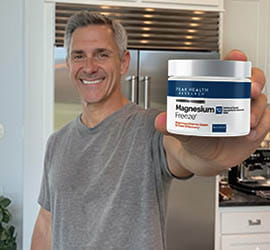
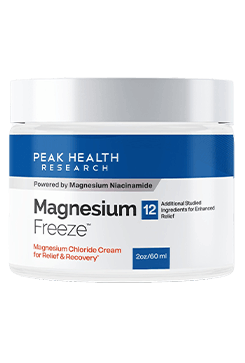
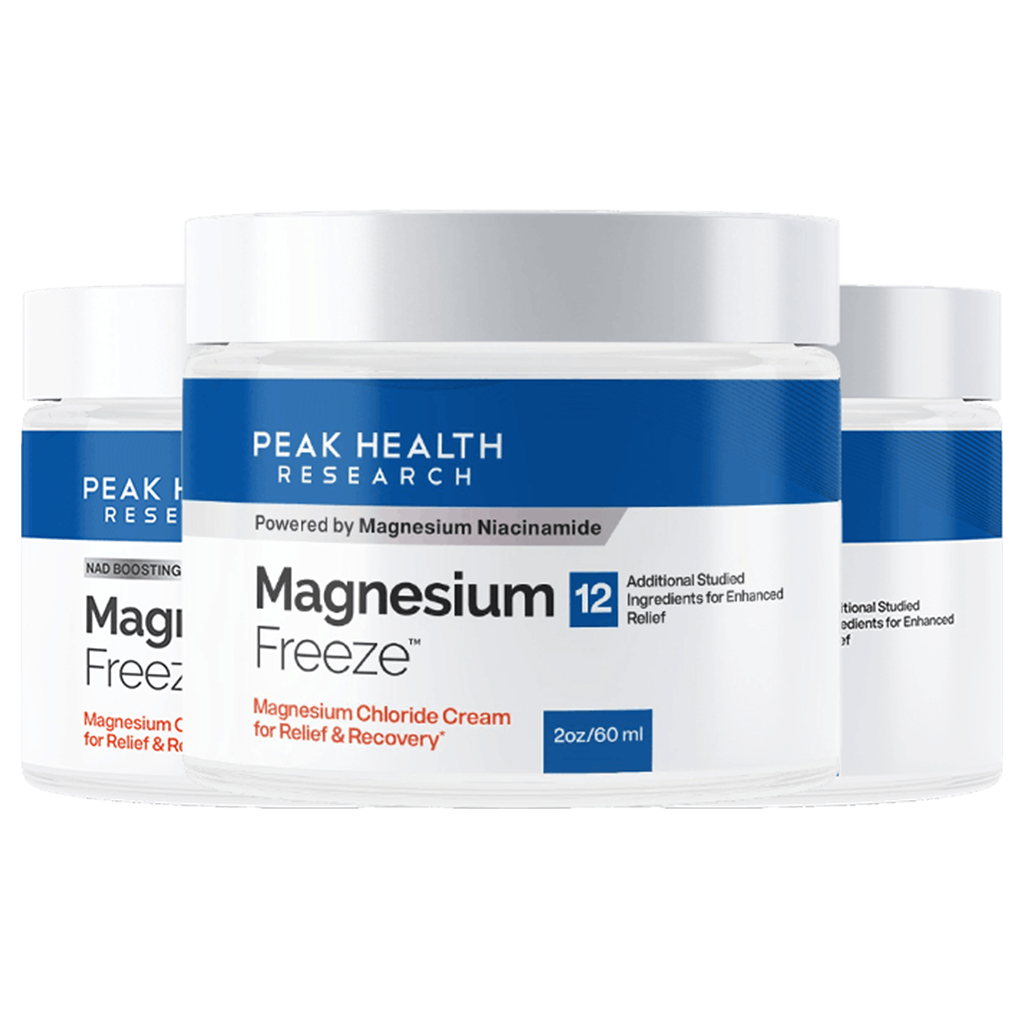
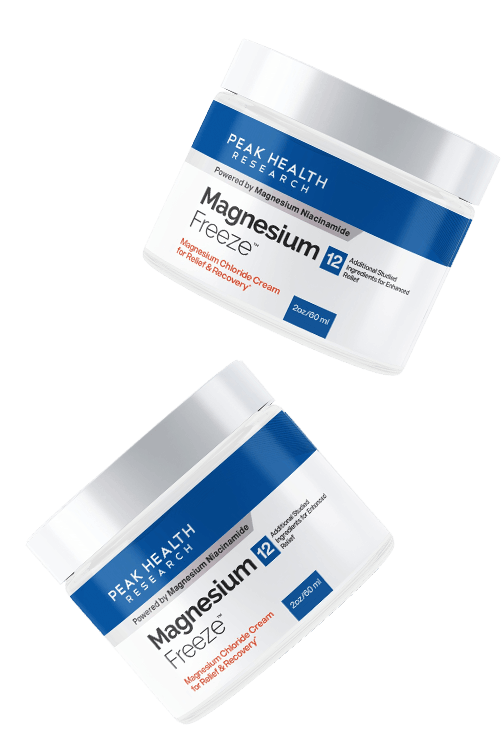
That's exactly why getting magnesium directly to the source, straight through the skin, can change everything.










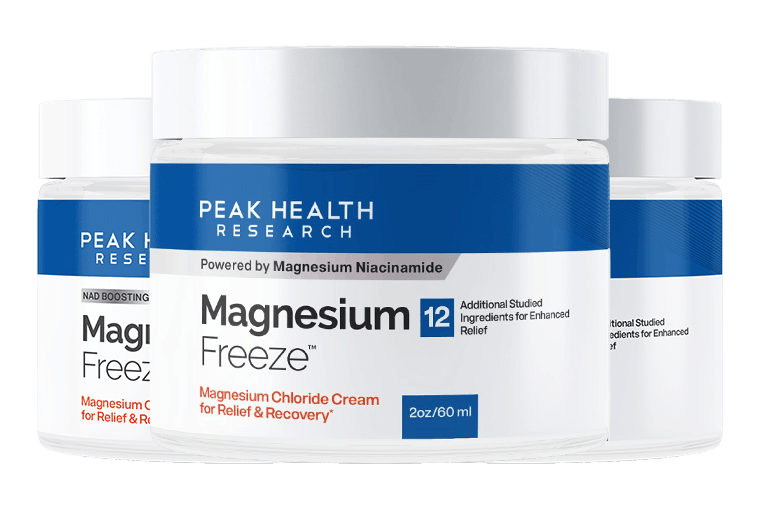
 Yes, I recommend this product.